
Introduction
The concept of the Golden Thread of information has become a pivotal element in the construction industry's quest for enhanced building safety and compliance. As a comprehensive digital record, the Golden Thread ensures all stakeholders have access to accurate, up-to-date information throughout a building's lifecycle. However, implementing this concept in real-world scenarios presents a host of challenges. This article delves into these challenges, offering insights into how compliance officers can navigate them effectively.
Understanding the Golden Thread
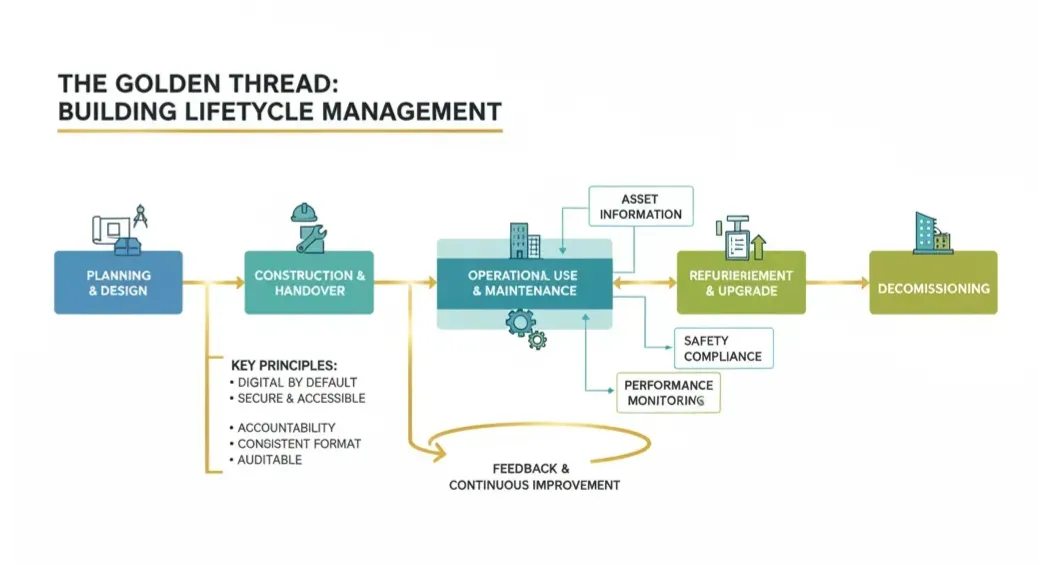
The Golden Thread is a crucial component of modern construction practices, driven by the need for transparency and accountability. It involves creating a digital thread that runs through all stages of a building's lifecycle, from design to demolition. This thread ensures that comprehensive, accurate information is always available to stakeholders, thereby enhancing building safety and compliance.
Real-World Case Study
Consider the Grenfell Tower tragedy in 2017, which underscored the dire consequences of inadequate building information management. Investigations revealed significant lapses in the availability and accuracy of critical building data. The absence of a cohesive information management system contributed to the tragedy, leading to reforms in building safety regulations. The Golden Thread aims to prevent such incidents by ensuring that all necessary information is readily accessible to those responsible for building safety. In this context, digital tools and platforms have become essential for capturing, storing, and disseminating critical building data effectively.
Key Challenges in Implementing the Golden Thread
Data Integration and Management
One of the primary challenges in implementing the Golden Thread is integrating diverse data sources into a cohesive system. Construction projects generate vast amounts of data, including architectural designs, material specifications, and compliance documents. Integrating these disparate data sets into a single, accessible digital thread is complex and requires careful planning and robust technological solutions.
Example
A UK-based construction firm, during the refurbishment of a historical building, faced difficulties in integrating legacy data with modern BIM systems. This issue highlighted the need for robust data management solutions capable of handling both historical and current data efficiently. The project team opted for a hybrid data management approach, utilizing cloud-based solutions to synchronize and integrate data from various sources. This method not only preserved the integrity of historical data but also facilitated real-time updates and access to current project information.
Technological Barriers
The deployment of advanced technologies, such as Building Information Modeling (BIM) and IoT devices, is crucial for the Golden Thread. However, the adoption of these technologies is often hampered by high costs and a lack of technical expertise within construction teams.
Industry Insight
According to a 2022 report by the National Institute of Building Sciences, only 48% of construction firms have fully integrated BIM into their workflows, primarily due to cost and training challenges. This gap represents a significant barrier to implementing a complete Golden Thread. Additionally, smaller firms often struggle with the initial investment required for technology adoption, which can delay or even prevent the implementation of these essential tools.
Compliance and Regulatory Hurdles
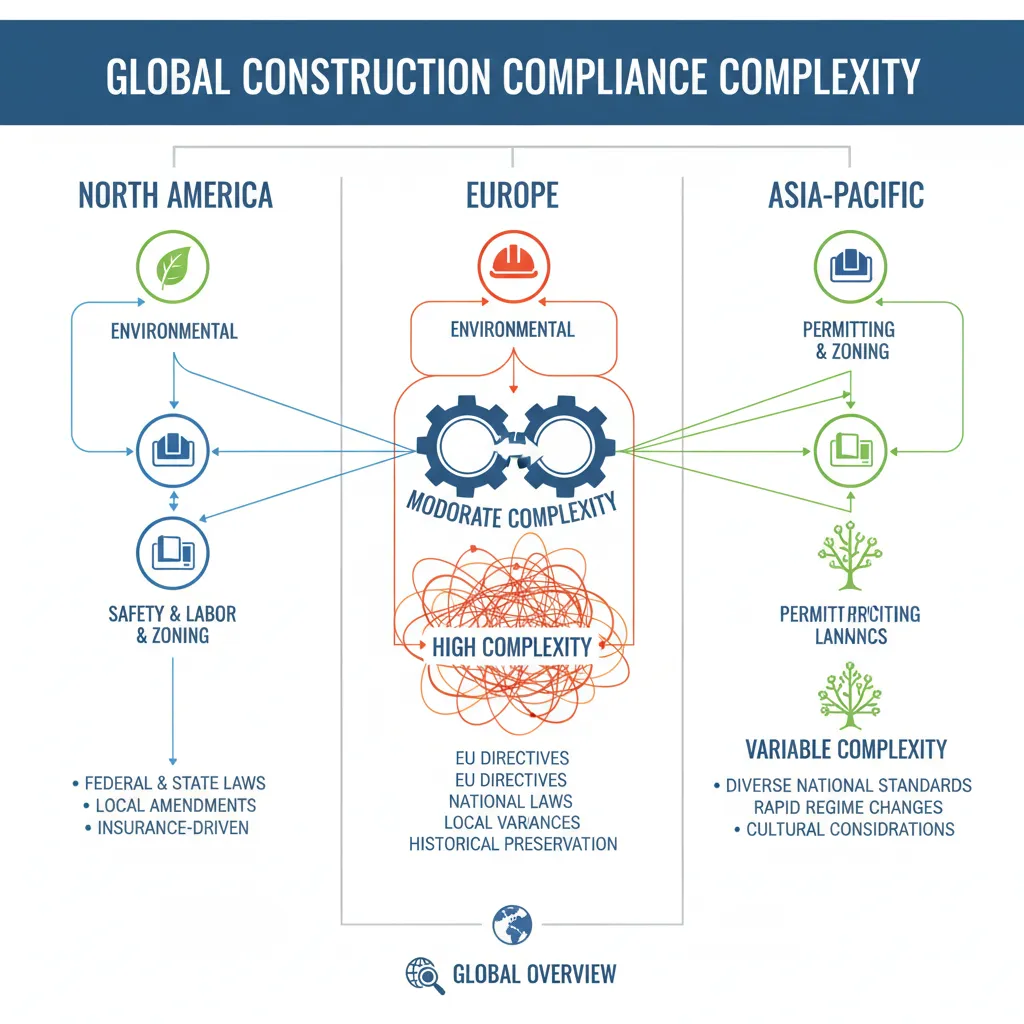
Navigating Complex Regulations
The construction industry is subject to an intricate web of regulations, which vary significantly across regions. Compliance officers must navigate these regulations while ensuring the Golden Thread meets all legal requirements.
Example
In the European Union, the Construction Products Regulation (CPR) imposes stringent requirements on construction products' performance and transparency. Ensuring the Golden Thread aligns with these regulations is a complex task, often requiring specialized legal expertise. Companies often employ legal consultants to interpret regulations and ensure that all aspects of their Golden Thread comply with the latest legal standards.
Ensuring Continuous Compliance
Compliance is not a one-time task but a continuous process. Maintaining an up-to-date Golden Thread requires ongoing monitoring and updates, which can be resource-intensive.
Practical Insight
A study conducted by the Chartered Institute of Building found that 62% of construction companies struggle with maintaining continuous compliance due to the dynamic nature of regulations and standards. This challenge is exacerbated in larger projects with multiple stakeholders. Firms are now employing dedicated compliance teams and utilizing automated tracking systems to ensure ongoing adherence to regulatory changes.
Cultural and Organizational Challenges
Change Management
Implementing the Golden Thread necessitates a cultural shift within construction organizations. Resistance to change, often rooted in traditional practices, can hinder the adoption of digital solutions.
Example
A major construction firm in the United States found that its workforce was resistant to adopting new data management practices, citing concerns over job security and increased workloads. Overcoming such resistance requires effective change management strategies and clear communication about the benefits of the Golden Thread. The firm implemented a series of workshops and training sessions to demonstrate how the new system could streamline workflows and enhance job efficiency, ultimately gaining workforce buy-in.
Training and Skills Development
Ensuring that all stakeholders are adequately trained to use and maintain the Golden Thread is another significant challenge. This includes educating staff on new technologies and ensuring they understand compliance requirements.
Industry Data
According to a 2023 survey by the Construction Industry Training Board, 59% of construction professionals reported inadequate training as a major barrier to implementing digital solutions effectively. Addressing this gap is critical for successful Golden Thread implementation. Companies are increasingly investing in comprehensive training programs and partnering with technology providers to facilitate skill development.
Leveraging Technology for Effective Implementation
The Role of Automation
Automation technologies play a crucial role in overcoming the challenges associated with the Golden Thread. By automating data collection and management processes, construction firms can reduce errors and improve efficiency.
Case Study
A leading construction company in Germany implemented an automated data management system, which streamlined the integration of various data sources into a single platform. This approach reduced manual data entry errors by 30% and improved compliance tracking. The system also allowed real-time data sharing among project stakeholders, enhancing collaboration and decision-making processes.
TECTONIX Solutions
At TECTONIX solutions, we offer cutting-edge tools designed to facilitate the seamless implementation of the Golden Thread. Our products leverage advanced automation technologies to integrate data sources, streamline compliance processes, and ensure continuous monitoring. By harnessing the power of automation and digital tools, TECTONIX empowers construction firms to enhance efficiency, safety, and compliance across their projects.
Conclusion
While the implementation of the Golden Thread presents numerous challenges, they are not insurmountable. By understanding these challenges and employing strategic solutions, compliance officers can enhance building safety and ensure regulatory compliance. Leveraging technology, fostering organizational change, and investing in training are key steps toward successful implementation.
Call to Action: Embrace the future of building safety and compliance by integrating the Golden Thread into your construction projects. Explore how TECTONIX solutions can assist your organization in overcoming these challenges and achieving a seamless transition to a safer, more compliant future.
Comments
Loading comments...